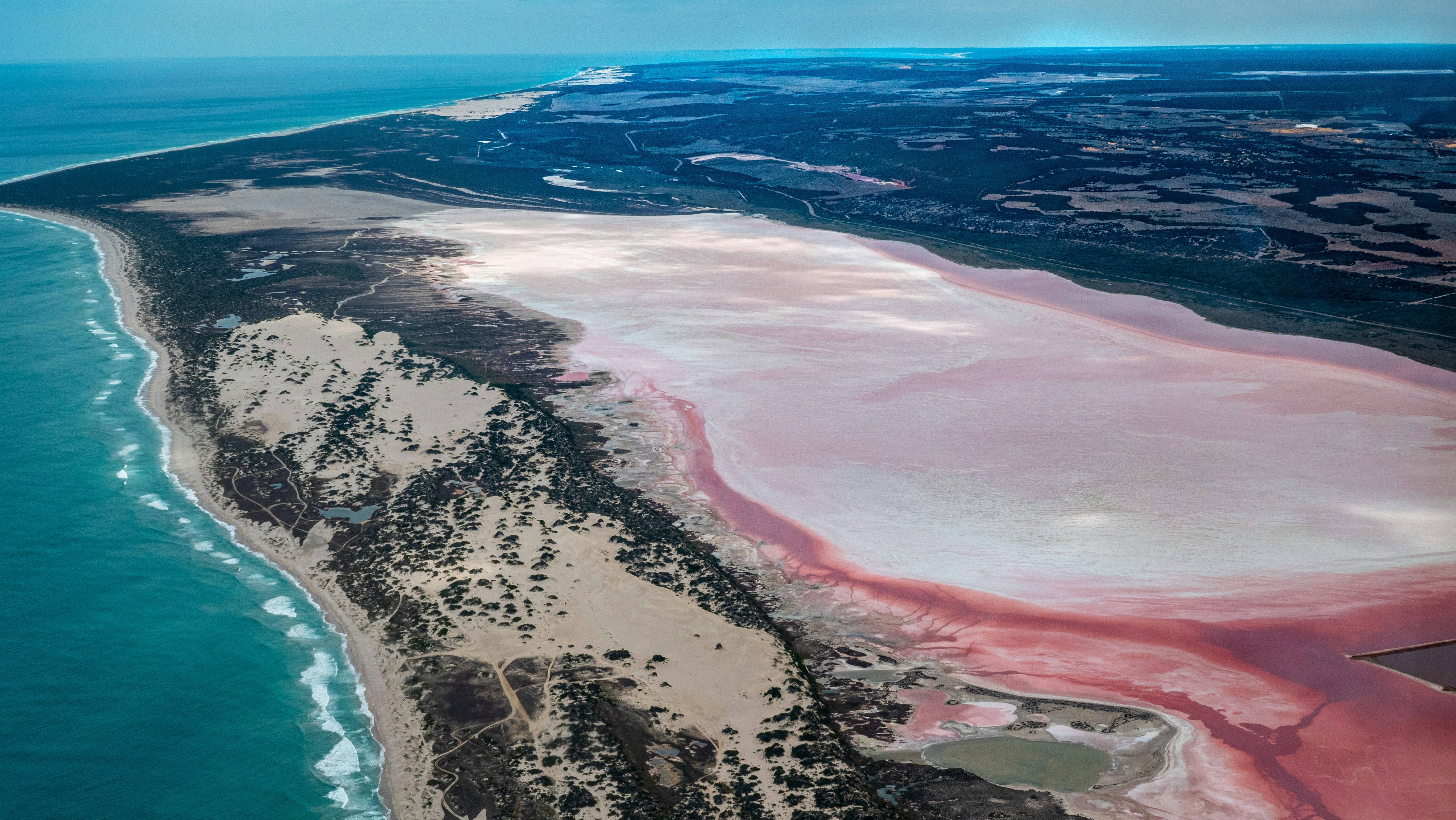
The best coastal camps in Western Australia aren’t the most remote.
They’re the ones where you can:
- Park properly
- Swim safely
- Stay more than one night
- Avoid packing down every morning
Constant movement kills good trips. The right camp lets you settle into the conditions instead of chasing them.
This isn’t a list of secret locations. It’s a way of identifying camps that actually work.
What Makes a Coastal Camp “Work”
Before naming regions, understand the criteria.
A good WA coastal camp usually has:
- Reliable beach access within walking distance
- Protection from prevailing afternoon sea breeze
- Ground firm enough for repeated setup
- Enough spacing between sites to feel independent
It does not need:
- Power
- Café proximity
- Full facilities
If you’re travelling by trailer or van, simplicity matters more than amenities.
South West Options (Structured but Reliable)
In the South West, you’ll find more managed camps.
They work well because:
- Access roads are sealed or maintained
- Supplies are nearby
- Wind direction is predictable
Look for coastal camps near:
- Contos
- Hamelin Bay region
- Yallingup coastline (where permitted)
These allow you to:
- Base yourself
- Drive short distances for different swim spots
- Avoid full relocation every day
They’re not remote, but they’re functional.
Mid-West and Coral Coast (Space Over Structure)
North of Geraldton, the equation changes.
Camps are often:
- Gravel clearings
- Basic nodes
- Wind-exposed
But the water improves dramatically when conditions align.
In these areas:
- Elevation matters more than shade
- Anchoring awnings properly becomes essential
- Being self-contained is assumed
If the wind drops and the swell is right, staying put for two or three nights transforms the experience.
Southern Coast (Distance and Quiet)
Heading east toward Esperance and beyond, camps spread out and thin down.
You’ll often have:
- Fewer neighbouring setups
- Stronger exposure to weather
- More dramatic coastline
Choose camps with:
- Slight dune protection
- Clear exit tracks
- Solid ground, not soft sand bowls
When conditions are good, the swimming and snorkelling here rival anywhere in the state.
But it’s not forgiving in poor weather.
The “Stay Put” Test
Before committing to a camp, ask:
- Can I access the water without moving the vehicle?
- Is this spot viable if the wind shifts?
- Can I tolerate two nights here comfortably?
If the answer is no to any of those, you’re likely going to be packing up too often.
Constant movement makes even good coastlines feel rushed.
Why Staying Matters
The best coastal moments in WA rarely happen on arrival.
They happen:
- Early morning on day two
- After you’ve watched the tide once
- After you understand where the wind settles
If you leave too quickly, you miss that.
WA coastal travel rewards patience more than mileage.
Find a camp that lets you swim, reset, and stay longer than you planned.
That’s usually where the trip shifts from movement to experience.